

Play Blackjack in the UAE: A Friendly Guide to Rules, Venues, and Online Options
Blackjack UAE isn’t a casino—it’s a high-stakes strategy game where the house edge vanishes when you master card counting in your head. You play against a virtual dealer in real time, using a simplified 6-deck shoe that rewards aggressive doubling and splitting at precisely the right moments. Mastering the split on 8s alone can tip the odds in your favor, and every hand you win builds a bankroll you can cash out instantly via crypto wallets. It’s the only way to feel the rush of a 21 without ever leaving your Dubai apartment.
Why This Version of Twenty-One Is Gaining Traction in the Emirates

This version of Twenty-One is gaining traction in the Emirates because it strips away the intimidating table etiquette found in traditional casinos, replacing it with a faster, mobile-first flow that suits the region’s on-the-go lifestyle. For blackjack UAE players, the appeal lies in its simplified card values and a dealer that stands on all 17s, which reduces decision fatigue while preserving the core thrill of beating the hand. The digital interface offers instant hit/stand feedback, making every round feel crisp and deliberate, yet it retains the psychological tension of a live dealer, just without the pressure of side bets or complicated insurance rules. Local players appreciate that this variant emphasizes pure card memory and basic strategy, not luck-heavy gimmicks. It delivers a purer, faster test of skill that feels tailor-made for short, high-focus sessions. That clarity is exactly why it’s becoming the default choice for those seeking a serious but streamlined blackjack UAE experience.
What Makes the House-Edge Different at Local Tables
At local tables, the house-edge shifts because dealers often use a six-deck shoe with a late surrender rule, trimming the casino’s statistical grip by roughly 0.07% compared to the standard eight-deck games found elsewhere. You’ll also notice that blackjack pays 3:2 here, not the stingy 6:5—a move that directly slashes the built-in advantage by over 1.4%. Local rules allow doubling on any two cards, including after splits, which further nudges the edge in your favor if you play basic strategy. However, the dealer hits soft 17 at several venues, adding about 0.2% back to the house—so your choice of table matters more than your luck. Surrender availability and payout ratios are the true battlegrounds.
Local tables carve a leaner house-edge via 3:2 payouts, late surrender, and flexible doubling—yet dealer-hits-soft-17 tables quietly claw back your advantage.
How Local Card Values and Payouts Compare to Standard Play
In the Emirates, local tables often retain the traditional blackjack valuation—face cards at 10 and aces as 1 or 11—but the payout structure for blackjack UAE frequently shifts from the standard 3:2 to a more house-favorable 6:5 on natural blackjacks. Additionally, some venues apply a push-on-22 rule, where a dealer’s total of 22 results in a standoff rather than a win, altering basic strategy expectations. Insurance payouts remain at 2:1, but side bets may use modified card-value multipliers. A player must verify the table placard before betting, as these local deviations directly impact expected return versus international norms.
Q: How do local card values and payouts compare to standard play in blackjack UAE?
A: Card values are identical, but payouts on blackjack are commonly 6:5 instead of 3:2, and a dealer 22 may push instead of busting, reducing player edge.
Key Features You Should Check Before Sitting Down
Before you sit down for blackjack in the UAE, scope out the table’s minimum and maximum bets to match your bankroll. Check the dealer’s stand rules—whether they hit on soft 17 changes your basic strategy. Look for the payout on a natural blackjack; 3:2 is what you want, not the stingier 6:5. Count how many decks are in the shoe, as single-deck games often offer better odds. Also, confirm if the table uses a continuous shuffling machine, which kills card counting, or a hand shuffle. Finally, glance at the side bets—they’re tempting but carry a heavy house edge, so skip them unless you’re just having fun. These quick checks keep your session smart and enjoyable.
Side Bets and Bonus Payouts You Won’t Find Elsewhere
Before you commit to a seat, scan the felt for exclusive side bets unique to blackjack UAE, because they directly inflate your return beyond standard 3:2 payouts. You’ll often find a “Royal Match” wager that pays 25:1 on suited K-Q, plus a “Bust Bonus” that rewards you when the dealer cracks on 12–16—both rarer and juicier than typical international tables. Look for a “Lucky Lucky” variant paying 100:1 on suited 7-7-7, often bundled with a 5% commission-free payout on player naturals. These bonuses turn mundane hands into sudden windfalls, so verify the exact pay tables on the layout before placing chips. A sharp player targets tables where side bets carry no house-enriching surcharge, maximizing every deal.
Dealer Stand Rules That Change Your Basic Strategy
Before you sit down in any blackjack UAE game, check whether the dealer stands on soft 17 (S17) or hits it (H17) – this single rule shifts your basic strategy more than you’d think. If the dealer hits soft 17, you should stop doubling on 11 against their ace, and you’ll want to stand more often on stiff hands like 12–16 when they show a low card. The biggest change, though, comes with your pairs: split aces and eights stay mandatory, but you’ll double less on 9 or 10 against a dealer’s 3 to 6. Soft 17 dealer rules directly dictate your risk, so glance at the table sign or ask before betting – it’s the fastest way to avoid costly mistakes.
Speed of Play and Minimum Stake Options for Casual Players
Before you sit down, check how fast the dealer moves and whether the table allows you to set your own pace. In blackjack UAE, many casual tables offer a relaxed rhythm, but some live-dealer games push 60-second rounds. Look for “low minimum” tables—often starting at AED 25–50—so you can stretch your bankroll without pressure. If you hate waiting, avoid packed tables; if you’re learning, pick a slower session. Speed of play and minimum stake options for casual players directly affect your comfort and losing rate, so match them to your mood.
**Q: Can I find tables with both a slow pace and a tiny minimum?**
A: Yes—many UAE-focused online casinos list “casual” tables with AED 10–20 bets and no forced turbo mode, but always verify the timer before joining.
Practical Steps to Get Started With a Game in the UAE

To begin with **blackjack UAE** play, first verify that your chosen online platform is accessible from your local network, as some international sites are geo-blocked. Next, create an account using your Emirates ID or passport and complete the mandatory KYC verification by uploading scanned documents. Fund your wallet using a prepaid card or e-wallet that supports AED transactions, avoiding direct bank transfers that may be declined. Before wagering real money, practice for at least one hour using the demo mode to internalize the specific rule variations, such as the number of decks used. Finally, set a strict session budget and use your mobile device’s data connection rather than public Wi-Fi to ensure a private, stable connection for a smooth **practical start to a game in the UAE**.
Choosing Between Physical Venues and Digital Platforms

When starting your blackjack UAE journey, the first fork in the road is choosing between physical venues and digital platforms. A live table offers tactile cards, dealer interaction, and a social buzz, but demands travel, dress codes, and set operating hours. Digital platforms, by contrast, let you play instantly from your phone, with autoplay options and varied stake limits. To decide:
- List your non-negotiables—privacy, speed, or atmosphere.
- Test a free-play digital demo for one session.
- Visit a physical venue once to compare the sensory reality.
- Commit to the one that fits your schedule and comfort level.
Neither is superior; your preference for proximity or convenience will settle it.
Setting a Bankroll That Matches the Local Betting Intervals
Before you sit at a blackjack table in the UAE, check the minimum and maximum bet limits posted on the felt, as these intervals vary sharply between venues. Your bankroll must be sized to survive the natural swings of the game, so multiply the local minimum bet by at least 50 to 100 units. If the floor interval is high, say AED 100–500, your session funds need to cover at least ten losing rounds in a row. Align your total budget with the table’s spread, not your hopes, ensuring you never cross the max bet on a whim. Setting a bankroll that matches the local betting intervals keeps you in control when the dealer’s streak turns cold.

- Count how many hands your bankroll covers if you lose every round at the table minimum.
- Adjust your per-hand stake to less than 2% of your total session funds for low-interval tables.
- Cap your buy-in at the table’s maximum bet multiplied by 20, so you never chase beyond the local limit.
Learning the Specific Hand Signals Used at UAE Tables
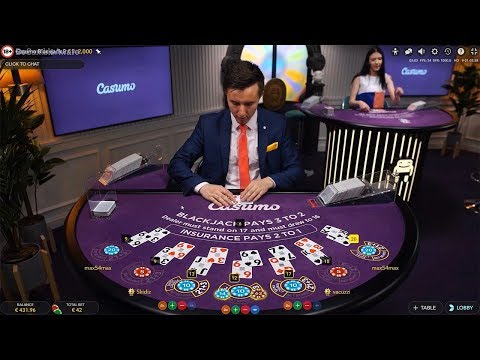
Learning the specific hand signals used at UAE tables is essential for smooth blackjack play, especially in venues where verbal declarations are restricted. Always use a flat hand wave toward yourself to signal a hit, and place your cards face-up with a sideways finger tap to stand. For doubling down, point one finger clearly; for splitting, form a peace sign. These gestures must be crisp and unambiguous to avoid dealer confusion. Remember that silent blackjack hand gestures in UAE casinos differ slightly from Western norms, so observe a few rounds before joining. Practicing these signals at home ensures confident, error-free communication during live play.
Smart Tactics to Improve Your Odds at This Regional Variant
To improve your odds at the UAE blackjack variant, prioritize card counting in the short deck—many local tables use a 4-deck shoe, which increases the value of every high-card removal. Master the “UAE surrender” rule, where late surrender on any pair is allowed; use it aggressively against a dealer 10 or Ace. Always check if the dealer stands on soft 17; if they hit, adjust your doubling strategy on 11 only when the count is strongly positive. Smart tactics for this regional variant also include tracking the burn card—the dealer often burns one card face-up after the shuffle—so note its value to refine your true count calculation. Finally, avoid side bets like “Perfect Pairs” unless the count is >+3, as their house edge in this variant is brutal.
When to Split and Double Down Under Local Rule Twists
In UAE blackjack variants, where the dealer often stands on soft 17 and late surrender may be absent, your split and double-down triggers shift toward aggressive math. Split aces and eights always, but under local rules that restrict re-splitting, delay splitting tens against a dealer’s five or six unless doubling is permitted post-split. Double down on 11 when the dealer shows a lower card, but verify whether doubles are allowed only on two-card totals—if so, never double after a split ace. Against a dealer’s four through six, double on soft 13–18 only if the rulebook allows repeated hits on soft hands; otherwise, stand. Since local twists often cap double stakes, prioritize doubling on hard 9 versus dealer’s three to six, where the edge is widest.
- Check if split aces receive one card each—if yes, avoid doubling any resulting total.
- Confirm whether double-down is permitted after splitting pairs; if not, split only when drawing to a pat hand.
- When the dealer hits soft 17, increase doubling frequency on 10 versus dealer’s nine, but reduce splits on low pairs like twos and threes.
Adjusting Your Count for the Single-Deck Format Often Dealt
When the UAE dealer peels cards from a single deck, your true count shifts violently with every round—so you must compress your betting spread and re-calibrate your running count every single hand. Adjusting your count for the single-deck format often dealt demands you divide by a fraction of a deck remaining, not a whole number. After just three hands, half the deck is gone, so a running +4 becomes a true +8, not +4. Track aces separately because their removal crushes your blackjack bonus odds. Never round down the remaining deck estimate—round to the nearest quarter-deck for accuracy. Follow this sequence:
- Recalculate after every dealer shuffle, not after every shoe.
- Multiply your running count by the inverse of the fraction left (e.g., ×2 for half-deck).
- Lower your bet ramp by 50%—single-deck variance punishes overbetting.
Keep your count mental, not verbal, and you’ll exploit the thin margins this fast format offers.
Common Mistakes First-Time Players Make With Soft Hands
First-time players often mistake a soft hand for a truewin ae fixed total, standing on A-7 against a dealer’s 9, when the correct move is to hit. Another frequent error is failing to double down on A-6 or A-5 against a dealer’s low upcard, sacrificing value. Many also treat an Ace as an 11 automatically, forgetting to drop it to 1 when drawing risks busting, such as hitting A-4 and landing a 9. Crucially, players neglect the regional rule where the dealer stands on soft 17, altering their strategy—hitting soft 18 against a high card remains essential. Soft hand discipline in UAE blackjack requires constant reassessment, not pattern play.
Q: What is a common soft-hand mistake in UAE blackjack?
A: Standing on a soft 18 against a dealer’s 10 or Ace, assuming it’s safe, when hitting gives you a better chance to improve or salvage the Ace as a 1.
Frequently Asked Questions About Playing in the Emirates

When players ask about blackjack UAE, the most frequent questions revolve around table etiquette and cultural norms, not game rules. In the Emirates, you’ll almost always face a six-deck shoe with the dealer standing on all 17s, but the real FAQ is whether you can touch the cards—the answer is no, as hand signals are mandatory. Another common query is about bet limits during peak hours, which often double after 9 PM at hotel tables, so ask the pit boss directly. A key insight many miss:
Never use your left hand to place chips, as it’s considered disrespectful in local custom, even in tourist-friendly venues.
Finally, most FAQs ignore that side bets like Perfect Pairs are rare here, so stick to basic strategy and expect a slower pace for shuffles.
Is It Possible to Use a Basic Strategy Card at the Table?
Yes, you can absolutely use a basic strategy card at the table in the UAE, as it is a personal reference tool, not a prohibited device. Dealers and casinos in the Emirates recognize that these cards are for player education, not for predicting outcomes, and they will not confiscate them. In fact, the house edge remains untouched because the card only helps you make mathematically optimal decisions, never altering the game’s core odds. **Discreetly consulting a basic strategy card is fully legal** and widely accepted. Q: Is it possible to use a basic strategy card at the table? A: Yes, it is permitted, provided you handle it yourself and do not disrupt the game’s flow.
What Happens If the Dealer Gets a Natural Blackjack?
In blackjack UAE, if the dealer reveals an Ace and then draws to a natural blackjack, the hand ends immediately before you act on your own cards. If you also hold a natural blackjack, the round is a standoff and your original wager is returned, with no bonus paid. However, if you do not have a natural, your bet is lost instantly, regardless of your total. This is why casinos only offer even-money insurance for a dealer’s Ace; taking it protects against this exact outcome, though it typically carries a negative expected value in the long run. Dealer natural blackjack rules in the Emirates follow international standards, so always verify the table’s peeking policy (whether the dealer checks for the ten underneath) before play.
When the dealer gets a natural blackjack, non-natural player hands lose their bets immediately, while a player’s own natural results in a push; insurance is the only way to offset this risk.
How Do You Handle Ties and Push Scenarios in This Variant?
In this blackjack UAE variant, a tie against the dealer returns your original wager without penalty, mirroring standard rules. When a push occurs, your hand is voided, and you simply re-evaluate your next bet. Handling push scenarios in blackjack UAE requires immediate discipline: never increase your stake after a tie, as the house edge remains unchanged. Doubling down after a push on a previous hand is a common mistake that erodes your bankroll, since the deck composition hasn’t shifted in your favor. For side bets offered in this variant, a push on the main hand does not refund those wagers—they resolve independently. Always confirm the dealer’s upcard before deciding whether to split or hit following a tie.
- Verify the variant’s payout on blackjack ties—some tables pay even money, others push only.
- Treat a push as a fresh hand; never chase with higher stakes.
- If the dealer shows a 10 or Ace, tighten your strategy after a push, not loosen it.
- Ask the pit boss if your side bet loses outright on a main-hand tie.


