

Understanding the Odds: Luck vs. Skill
One of the most persistent myths surrounding casino gambling is the belief that luck is the sole determinant of winning or losing. While chance plays a crucial role in many games, particularly slot machines and roulette, several other games incorporate an element of skill. For example, poker is a game where strategy, psychology, and understanding probabilities heavily influence outcomes. Players who study the game, calculate pot odds, and read their opponents are often more successful than those who rely solely on luck; this is why many turn to resources like 1win to enhance their knowledge and skills.
Additionally, it’s essential to dispel the myth that some players are “naturally lucky.” In reality, everyone experiences wins and losses in gambling. The concept of luck can create an illusion of control, leading some to believe that certain rituals or behaviors will increase their chances of winning. However, these superstitions often carry no weight; instead, being aware of the odds and employing effective strategies is the best approach to favorable results.
Moreover, understanding the house edge can significantly impact a player’s experience. Each game has a built-in advantage for the casino, which varies from game to game. For instance, blackjack and baccarat typically have lower house edges compared to other games like slots. By selecting games with better odds and utilizing basic strategies, players can enhance their chances of winning while debunking the myth that gambling is solely a matter of luck.
The Illusion of Patterns: Hot Streaks and Cold Tables
Many gamblers fall prey to the belief that they can predict outcomes based on previous results. This misconception is particularly evident in games like roulette, where players often assume that a number that hasn’t come up in a while is “due” to hit. In reality, every spin of the wheel is an independent event, and past outcomes do not affect future probabilities. This misunderstanding leads players to chase losses or bet irrationally based on perceived hot streaks or cold tables.
The concept of “hot” and “cold” streaks suggests that certain tables or machines may be more favorable at different times. While it can be thrilling to ride a winning streak, it is essential to remember that it is purely coincidental. Casinos utilize random number generators to ensure that each outcome is completely random. Therefore, relying on these patterns can lead to poor decision-making and significant financial losses.
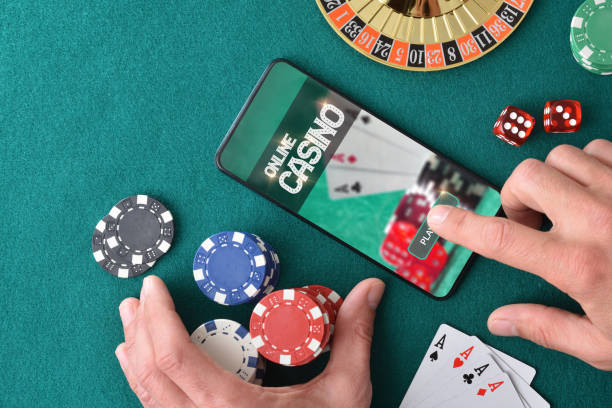
Moreover, the notion that you can find a “lucky” table or slot machine is also misleading. Casinos are designed with odds that are always in favor of the house, regardless of the player’s emotional experience or perceived trends. By understanding that these patterns are mere coincidences rather than a strategy, players can approach gambling with a clearer mindset, focusing on enjoyment rather than trying to beat the odds through superstition.
The Role of Casinos: Creating a Fair Experience
Many myths suggest that casinos manipulate games or use deceptive practices to ensure players lose. However, reputable casinos are regulated and must adhere to strict standards to provide fair gaming experiences. These regulations typically require the implementation of random number generators and regular audits to confirm that games are fair. This framework is designed to protect players and maintain the integrity of the gaming environment.
Additionally, the idea that certain players are favored or that the house interferes with outcomes is unfounded. Casinos operate on the principle of maintaining a consistent profit model, which means they do not need to engage in unethical practices. Their profitability relies on the inherent house edge, creating a system where all players are subject to the same probabilities. Understanding how casinos operate helps demystify the gambling experience, emphasizing that fairness is a fundamental aspect of reputable establishments.
Nevertheless, it’s crucial for players to choose licensed and well-reviewed casinos. While most adhere to regulatory standards, a small number of rogue operators may engage in dishonest practices. By conducting thorough research before gambling, players can ensure they are participating in an environment where fair play is prioritized, thus overcoming misconceptions about casino operations.
Responsible Gambling: Myths and Realities
Another common myth is the belief that gambling can be a reliable source of income or even a way to solve financial problems. This misconception can lead individuals into a cycle of chasing losses, which often exacerbates financial difficulties. Understanding that gambling should be viewed primarily as a form of entertainment is vital. It is essential for players to set limits on their spending and to treat any losses as part of the entertainment expense rather than opportunities for profit.

Additionally, the stigma surrounding gambling addiction often prevents individuals from seeking help. Many people hold the false belief that gambling addiction only affects certain types of individuals or that it is a sign of moral weakness. In reality, gambling addiction is a complex issue that can affect anyone, regardless of their background. Awareness and acceptance of the problem are critical first steps towards recovery, and numerous resources and support systems are available for those in need.
Practicing responsible gambling involves understanding one’s limits, recognizing the signs of problem gambling, and seeking help when necessary. This education empowers players to enjoy the thrill of gambling while remaining in control of their actions. By approaching gambling with a clear and informed perspective, misconceptions can be dispelled, leading to a healthier relationship with this form of entertainment.
Finding Reliable Information: The Role of Online Resources
As the internet continues to evolve, so does the amount of information available regarding casino gambling. However, sifting through abundant data can be overwhelming, leading to confusion and the spread of misinformation. It is crucial to seek reliable sources when searching for accurate information about gambling myths and strategies. Trusted websites often provide data backed by research, expert opinions, and player experiences, all contributing to a well-rounded understanding of the gambling landscape.
Moreover, online forums and communities can serve as valuable platforms for sharing insights and experiences. Engaging with fellow gamblers can help clarify many myths and promote responsible gambling practices. However, it is essential to approach these discussions critically, as not all shared information may be accurate. Conducting thorough research and cross-referencing advice from multiple sources can enhance understanding and ensure that players are well-informed.
Ultimately, the goal should be to foster an environment where players can learn about the realities of gambling without falling prey to myths. By advocating for education and transparency in the gambling community, we can cultivate a more informed player base. This ultimately leads to a healthier relationship with gambling, enabling individuals to enjoy their experience while being aware of the inherent risks involved.


